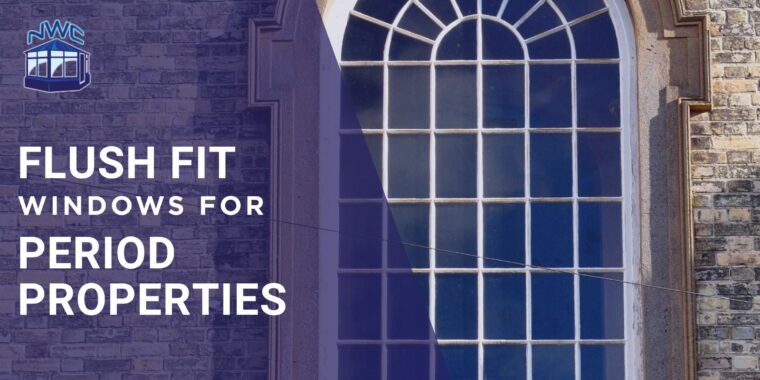
Windows for Period Properties

If you live in a period property, replacing the windows can feel like a difficult decision. You want better comfort and security, but you don’t want to lose the character that makes your home special. Flush fit windows are one option worth knowing about.

What are flush fit windows?

On a flush fit window, the opening part (the sash) sits level with the frame when closed, instead of standing proud of it. This gives a slimmer, more traditional appearance, similar to the timber windows many period homes had originally.

Why they suit period properties

  • They look right. Flush fit windows follow the proportions and details of traditional timber windows, so they sit comfortably in older buildings.
  • They perform like modern windows. You get the benefits of modern double glazing, including improved comfort, better security and less draughtiness.
  • They’re low maintenance. Compared with timber, uPVC doesn’t need regular repainting.

What to look at when choosing

Finish and colour. Depending on the range, you may be able to choose woodgrain-effect or coloured finishes that suit your home. Ask to see samples.

Glazing bars. If your home originally had windows with bars dividing the glass, the right pattern makes a real difference to the look.

Handles and hinges. Traditional-style hardware can complete the look.

Proportions. Getting the frame width and sightlines right is what stops new windows looking out of place. It’s worth seeing real examples before you decide.

Conservation areas and listed buildings

If your home is listed or in a conservation area, there may be restrictions on what you can change. Check with your local planning authority before ordering, as consent may be needed.

Why installation matters

Period homes are rarely perfectly square, so careful surveying and measuring really matter. A well-fitted window should look as though it belongs, and should be sealed properly around the frame. We’ll visit your home, assess it and talk through your options before you commit to anything.

Frequently asked questions

Will flush fit windows look like timber?
They’re designed to echo the look of traditional timber windows, and the finish you choose affects how close the match is. Ask to see samples.

Are they as energy efficient as other modern windows?
They’re double glazed and designed for modern performance. We can talk through the specifics for your home.

Do I need permission to replace windows in a period home?
It depends on whether the property is listed or in a conservation area. Check with your local authority.

Come and take a look

See our windows and gallery for examples, or visit our showroom to compare finishes in person. To discuss your home, book a free consultation or call 0116 4560689.
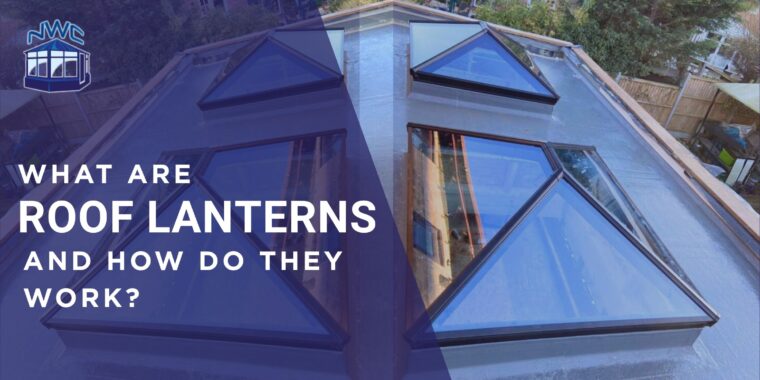
Roof Lanterns: What They Are & Where They Work Best

If you have a room that feels dark, a roof lantern might be the answer. They bring daylight in from above, which can change how a space feels from the moment you walk in.

What is a roof lantern?

A roof lantern is a glazed structure that sits on top of a flat roof, rising above it to let natural light into the room below. They’re often seen on extensions, kitchens, orangeries and garden rooms, and come in a range of shapes and styles, from traditional to contemporary.

Where do roof lanterns work best?

  • Kitchen extensions. Daylight over a kitchen island or dining table can make the whole space feel brighter and more open.
  • Single-storey rear extensions. If your extension is deep, a lantern helps light reach the middle of the room, not just the area near the doors.
  • Dining and living areas. A lantern above a seating or dining area gives a feeling of height and openness.
  • Orangeries and garden rooms. Lanterns suit these spaces, linking the room with the sky and the garden.
  • Dark central rooms. Where side windows aren’t an option, light from above can make a big difference.

Things to think about before you choose

Heat and light. A lot of glass means a lot of daylight, but it’s worth thinking about summer heat and winter warmth. The glass specification, shading and ventilation all play a part, so ask about your options.

Size and proportion. A lantern should suit the size of your roof and room. Too small and it won’t make the impact you want, too large and it can overpower the space.

Style. Choose a design that suits your home. A traditional lantern can sit well on a period property, while cleaner, slimmer lines work well on modern extensions.

Your existing roof. Whether a lantern can be added to an existing flat roof depends on its structure, so a proper survey matters.

Planning and building regulations. Whether you need permission depends on your property and plans, and building regulations may apply. We can talk this through with you, and it’s worth checking with your local planning authority too.

Why get a roof lantern fitted properly?

A roof lantern is only as good as its installation. Careful measuring, good weatherproofing and attention to detail at the join between the lantern and the roof all matter. That’s why we handle everything from consultation and design through to installation and aftercare.

Frequently asked questions

Will a roof lantern make my room too hot?
It doesn’t have to. Glass choice, shading and ventilation can all help manage heat, and we can talk through the options for your room.

Can a roof lantern be added to an existing flat roof?
Often it can, but it depends on the roof’s structure. We’d recommend a survey before making any decisions.

Do I need planning permission?
It depends on your property and what you’re planning. Check with your local planning authority, and we can talk through the process during your consultation.

See what’s possible

Take a look at our roof lanterns and browse our gallery for examples. If you’re thinking about a lantern for your home, get in touch to arrange a free home consultation, or call 0116 4560689.

Home Improvement Ideas for Leicestershire Homes

Whether you live in a Victorian terrace in Leicester, a 1930s semi, or a village home in Narborough, Blaby or Enderby, the right home improvement can change how your house looks, feels and works day to day.

At NWC, we’ve been helping Leicestershire homeowners since 1999, and the same questions come up often: where should I start, and what will make the biggest difference? Here are some of the improvements we’d suggest thinking about.

1. Replace tired or draughty windows

Old windows that let in draughts, mist up between the panes or are hard to open can make a home feel colder and look dated. Replacing them can improve comfort, security and appearance all at once. Our uPVC windows come in a range of styles and finishes, so you can match your home’s character.

2. Give your front door a fresh start

Your front door is the first thing people see. A new composite or uPVC door can lift the look of your whole property, while improving security and keeping the warmth in. Colour, glass and hardware are where you can make it yours.

3. Open up the garden with bi-fold or patio doors

If your home feels cut off from the garden, bi-fold doors or patio doors can bring in daylight and make the space feel bigger. They’re popular for kitchens, dining rooms and living areas that open onto the garden.

4. Make a conservatory usable all year

Many conservatories are too hot in summer and too cold in winter. A WARMroof or a conservatory roof replacement can turn a room you avoid into one you use every day.

5. Bring in more light with a roof lantern

If you have a flat-roofed extension or a dark room, a roof lantern can fill it with natural light from above. We’ve explained where they work best in this guide.

6. Think about the finishing touches

Small additions such as door canopies and integral blinds add practical comfort and a finished look.

7. Respect the age of your home

If you live in a period property, the right windows and doors can protect its character while improving performance. See our guide to flush fit windows for period properties.

How to decide where to start

  1. Start with the problem. Is something draughty, dark, cold or just looking tired? That often points to the best first project.
  2. Think about the whole home. Doing windows and doors together can give a more consistent finished look.
  3. See it in person. Our showroom lets you compare colours, finishes and styles side by side.
  4. Get advice before you commit. We offer a free home consultation, so you can talk through your ideas with no pressure.

Frequently asked questions

Which home improvement adds the most value?
It depends on your home and what needs doing. Comfortable, well-maintained windows, a smart front door and a usable extension or conservatory all help how a home feels and presents.

Can I do several projects at once?
Often, yes. We can talk through timing and priorities during your consultation.

Do you cover my area?
We work across Leicester and the surrounding areas. See our areas covered or get in touch.

Talk to NWC

Not sure where to start? Book a free home consultation or call us on 0116 4560689. You can also browse our gallery for inspiration.