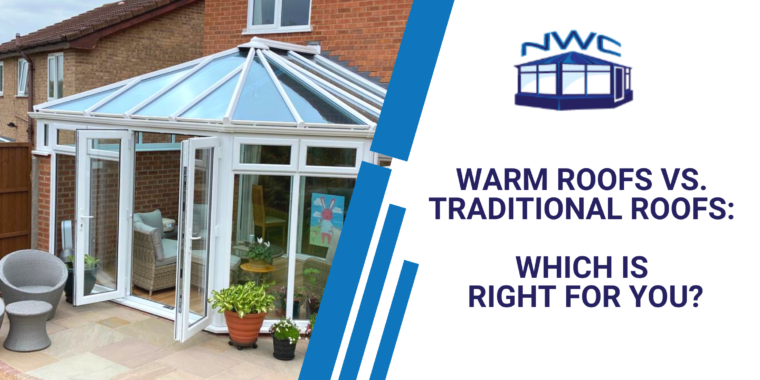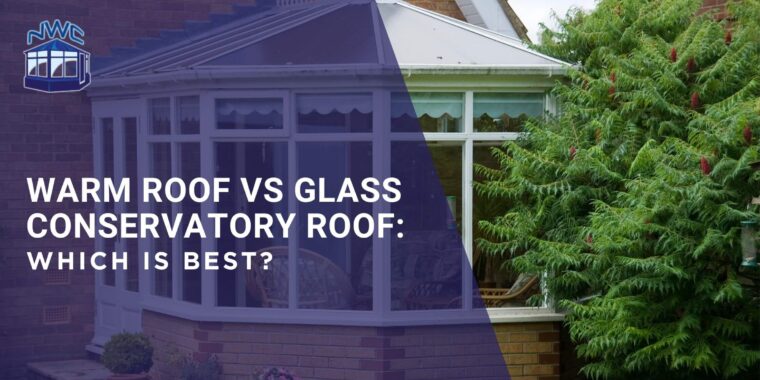
If you are planning a conservatory roof upgrade, one of the most common questions homeowners ask is whether to choose a WARMroof or a glassroof conservatory. Both options offer unique benefits, and the right choice often depends on how you want to use your conservatory and the style of your home.
Modern conservatories are designed to be bright, comfortable spaces that extend your living area. However, older conservatories can sometimes feel too hot in summer and too cold in winter. Upgrading the roof can make a significant difference to both comfort and energy efficiency.
What is a WARMroof Conservatory?
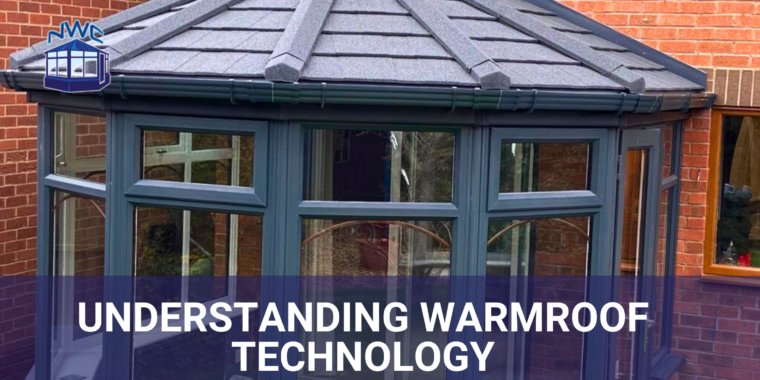
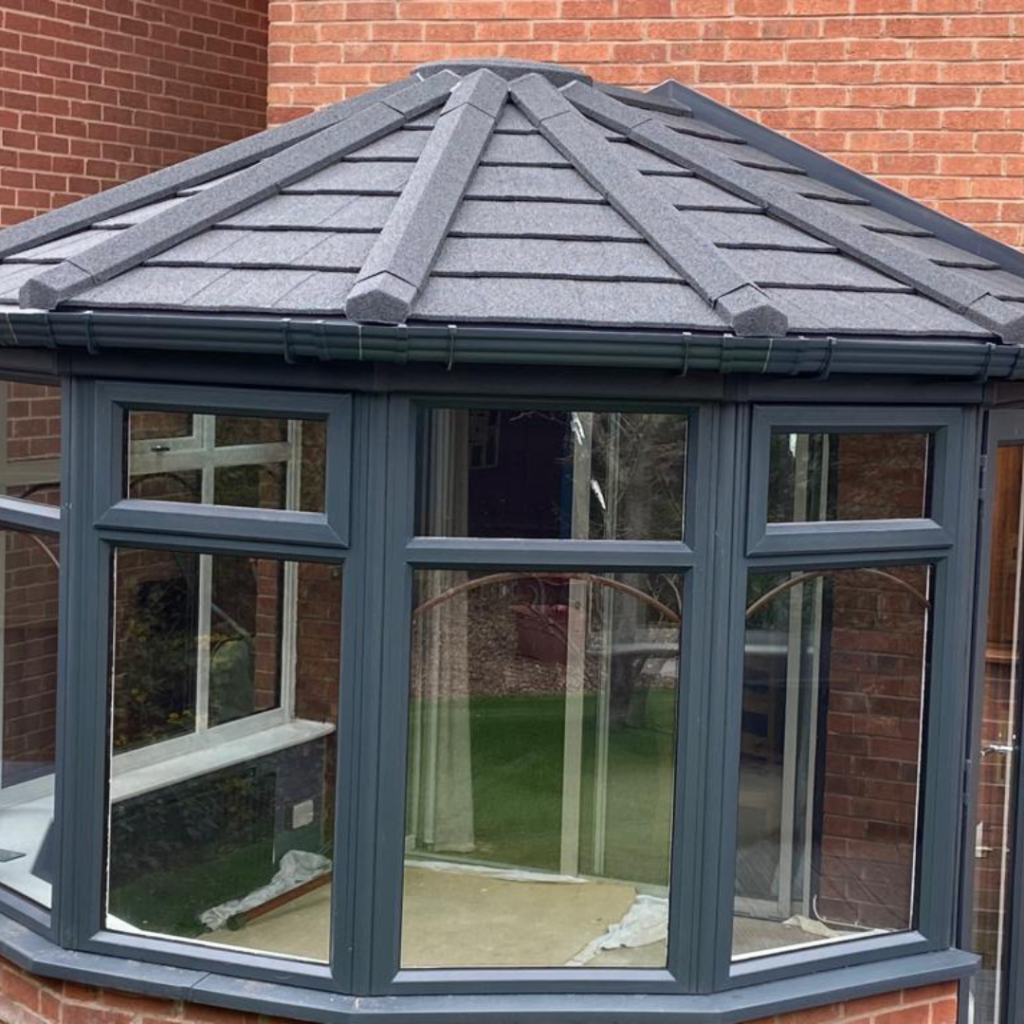
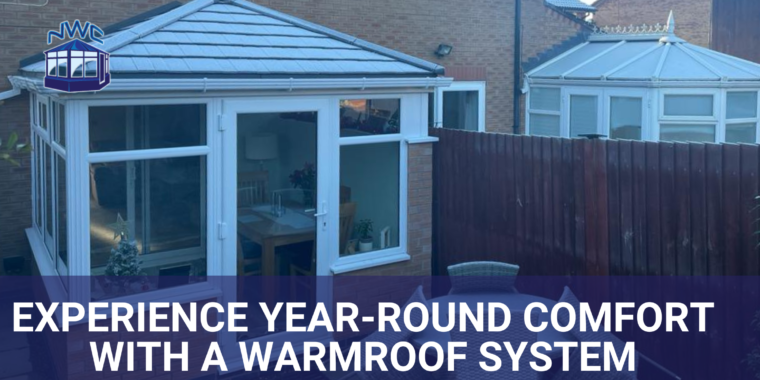
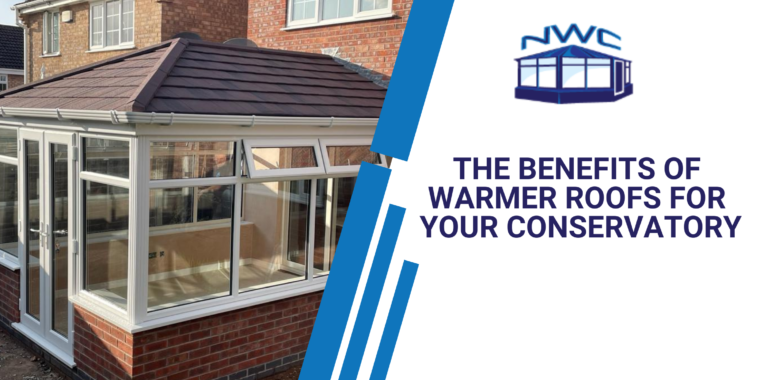
A WARMroof replaces a traditional glass or polycarbonate roof with a solid, insulated roofing system. These roofs are designed with layers of insulation that help regulate temperature and improve energy efficiency.
One of the biggest advantages of a WARMroof is its ability to retain heat during the colder months. The insulation helps prevent heat loss, making the conservatory feel more like a natural extension of your home rather than a separate space. Many homeowners choose a WARMroof when they want their conservatory to function as a year-round living area, such as a dining room, lounge, or home office.
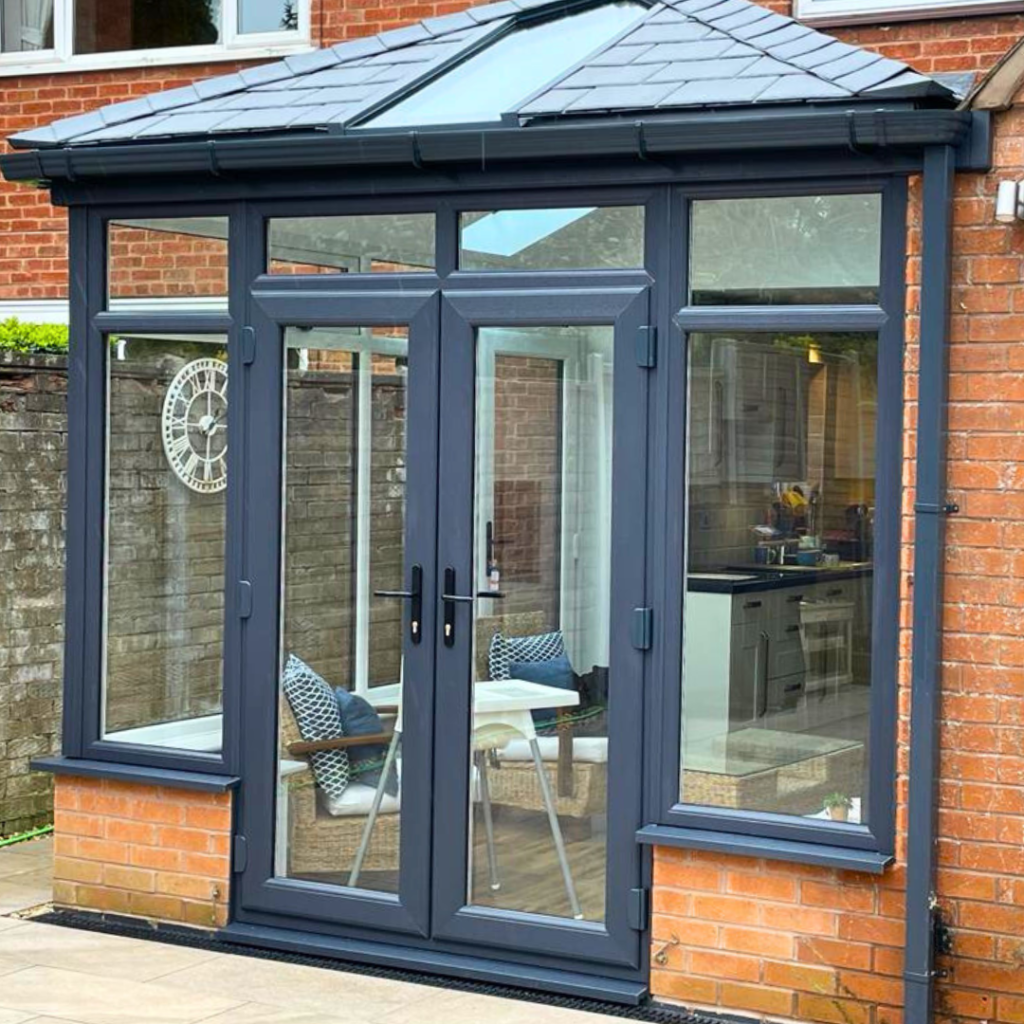
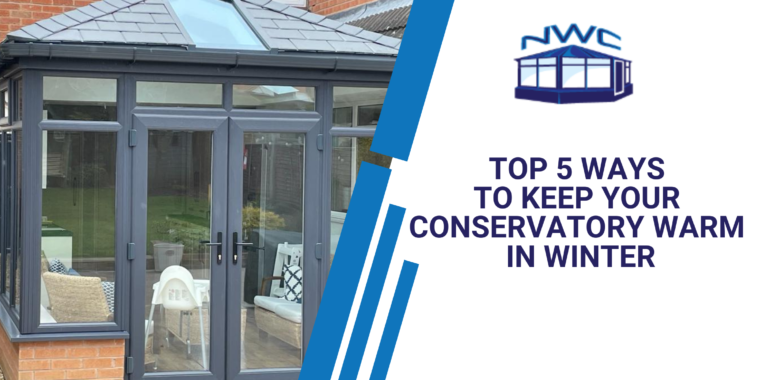
WARMroof systems can also include features like roof windows or lanterns, allowing natural light to still enter the space while maintaining excellent insulation. The finished result often feels like a true home extension, blending seamlessly with the rest of the property.
Benefits of a Glass Conservatory Roof
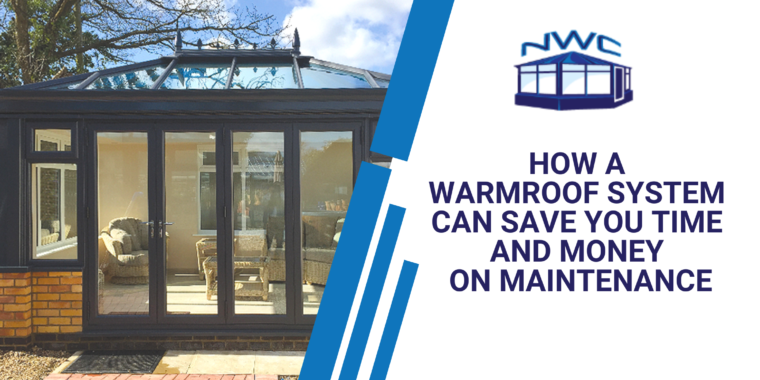
A glass conservatory roof is a popular choice for homeowners who want to maximise natural light and maintain a traditional look. Modern glazing technology means that today’s glass roofs are far more energy efficient than older versions.
High-performance glass helps regulate temperature while allowing sunlight to flood into the room. This creates a bright, open space that connects your indoor living area with your garden.
Glass roofs are ideal if you want to maintain that classic light-filled conservatory feel. They are particularly popular in spaces used as garden rooms, breakfast areas, or relaxation spaces where the view of the sky and surrounding garden adds to the overall experience.
Which option is right for your home?
When deciding between WARMroof and a glass conservatory roof, there is no one-size-fits-all answer. The best choice depends on your home, how you use your conservatory, and the overall look you want to achieve.
If you’re looking for improved energy efficiency, insulation, and year-round comfort, a WARMroof can transform the space into a true extension of your home.
On the other hand, if you love the bright, open feel of a traditional conservatory and want to maximise natural light, a modern glass style roof may be the ideal solution.
Upgrade Your Conservatory
A conservatory roof upgrade can completely transform how you use your space. Whether you choose a WARMroof for comfort and efficiency or a glass roof for light and style, the right solution can make your home more enjoyable throughout the year.
If you’re considering upgrading your conservatory roof, our expert team can help you explore the best options for your home and design a solution that suits your needs perfectly. Get in contact with our expert team for more information!