Warm Roof vs Glass Conservatory Roof: Which Is Best?

If you are planning a conservatory roof upgrade, one of the most common questions homeowners ask is whether to choose a WARMroof or a glassroof conservatory. Both options offer unique benefits, and the right choice often depends on how you want to use your conservatory and the style of your home.

Modern conservatories are designed to be bright, comfortable spaces that extend your living area. However, older conservatories can sometimes feel too hot in summer and too cold in winter. Upgrading the roof can make a significant difference to both comfort and energy efficiency.

What is a WARMroof Conservatory?

A WARMroof replaces a traditional glass or polycarbonate roof with a solid, insulated roofing system. These roofs are designed with layers of insulation that help regulate temperature and improve energy efficiency.

One of the biggest advantages of a WARMroof is its ability to retain heat during the colder months. The insulation helps prevent heat loss, making the conservatory feel more like a natural extension of your home rather than a separate space. Many homeowners choose a WARMroof when they want their conservatory to function as a year-round living area, such as a dining room, lounge, or home office.

WARMroof systems can also include features like roof windows or lanterns, allowing natural light to still enter the space while maintaining excellent insulation. The finished result often feels like a true home extension, blending seamlessly with the rest of the property.

Benefits of a Glass Conservatory Roof

A glass conservatory roof is a popular choice for homeowners who want to maximise natural light and maintain a traditional look. Modern glazing technology means that today’s glass roofs are far more energy efficient than older versions.

High-performance glass helps regulate temperature while allowing sunlight to flood into the room. This creates a bright, open space that connects your indoor living area with your garden.

Glass roofs are ideal if you want to maintain that classic light-filled conservatory feel. They are particularly popular in spaces used as garden rooms, breakfast areas, or relaxation spaces where the view of the sky and surrounding garden adds to the overall experience.

Which option is right for your home?

When deciding between WARMroof and a glass conservatory roof, there is no one-size-fits-all answer. The best choice depends on your home, how you use your conservatory, and the overall look you want to achieve.

If you’re looking for improved energy efficiency, insulation, and year-round comfort, a WARMroof can transform the space into a true extension of your home.

On the other hand, if you love the bright, open feel of a traditional conservatory and want to maximise natural light, a modern glass style roof may be the ideal solution.

Upgrade Your Conservatory

A conservatory roof upgrade can completely transform how you use your space. Whether you choose a WARMroof for comfort and efficiency or a glass roof for light and style, the right solution can make your home more enjoyable throughout the year.

If you’re considering upgrading your conservatory roof, our expert team can help you explore the best options for your home and design a solution that suits your needs perfectly. Get in contact with our expert team for more information!
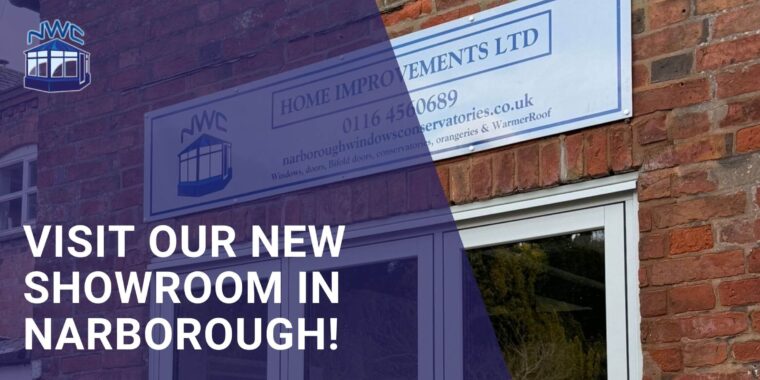
Visit Our New Windows, Doors and Conservatories Showroom In Narborough!

We’re delighted to announce the opening of our brand new windows, doors and conservatories showroom in the heart of Narborough, Leicester. This dedicated space has been designed to give homeowners the opportunity to explore our products up close, get expert advice, and find the perfect solution for their home improvement project.

If you are planning to make upgrades in your home, our showroom is the ideal place to start your journey.

See Our Windows and Doors In-Person

Choosing the right products for your home is a big decision, and seeing them in person can make all the difference. At our showroom, you will be able to explore a wide range of styles, including modern and traditional options.

You can compare colours, materials, and hardware options while seeing the quality of our products first-hand.

Speak to Our Product Experts

Our experienced team will be on hand to answer your questions and guide you through the options available. We understand that every home is different, which is why our product experts take the time to understand your needs, style preferences, and budget.

Explore Colours, Finishes and Design Ideas

When visiting our showroom, you get the chance to see real samples of colours, textures, and materials. Online photos can only show so much; you can see how different finishes look and feel in our showroom.

Start Planning Your Home Improvement Project

Our new showroom is all about making the process of upgrading your home simple and enjoyable. With expert advice, real product displays, and plenty of inspiration, you can confidently start planning your next home improvement project.

Visit our Narborough showroom today or get in touch to book your free consultation with our expert team.

Showroom Address:

22A The Mews
Coventry Road
Narborough
Leicester

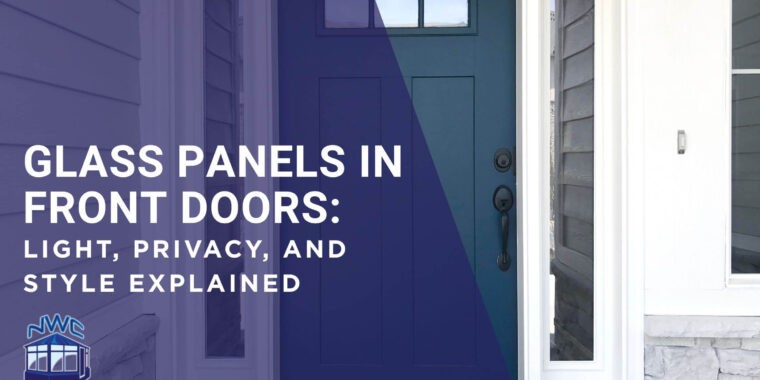
Glass Panels in Front Doors: Light, Privacy, and Style Explained

Are you wondering whether a glass panel in your front door is the right choice for your home? Glass panels are a popular feature in modern and traditional doors alike, offering a balance of natural light, style, and functionality. In this guide, we’ll explain the benefits, considerations, and how to choose the right option for your property.

Should I Get a Glass Panel on My Front Door?

Adding a glass panel can completely change the look and feel of your home’s entrance. It allows natural light to flow into your hallway, creating a brighter, more welcoming space. At the same time, modern glass panels are designed to provide privacy and security, making them a practical choice as well as a stylish one.

Benefits of Glass Panels in Front Doors

1. Bring Natural Light Inside
Glass panels let sunlight into your hallway or entrance, reducing the need for artificial lighting and creating a warm, inviting atmosphere. Even small panels or frosted glass options can make a big difference.

2. Enhance Kerb Appeal
Front doors with glass panels are visually appealing and can complement the style of your home. From traditional designs with decorative patterns to sleek, modern minimalist glass, there’s a look to suit every property.

3. Maintain Privacy
You don’t have to sacrifice privacy for light. Frosted, patterned, or textured glass allows natural light in while obscuring the view from outside. Some options also include double or triple glazing for additional insulation and security.

4. Improve Energy Efficiency
Modern glass panels often feature double or triple glazing with low-emissivity coatings, helping to reduce heat loss and improve your home’s energy efficiency. This keeps your hallway warmer in winter and can contribute to lower energy bills.

5. Security Considerations
High-quality glass panels are built to be strong and durable. Many come with laminated or toughened glass, and when combined with a secure multi-point locking door, they provide excellent security for your home.

Choosing the Right Glass Panel for Your Home

When selecting a glass panel, consider:

  • Size and Position – Vertical panels, horizontal panels, side lights, or full-length designs can create different effects.
  • Style – Traditional leaded glass, frosted, or patterned panels for privacy, or modern clear and minimalist glass.
  • Security and Glazing – Opt for double or triple-glazed options with laminated glass for peace of mind.
  • Colour and Finish – Match the panel and door finish to your home’s exterior for a cohesive look.

Is a Glass Panel Right for You?

If you’re looking to brighten your entrance, improve kerb appeal, and maintain privacy, a glass panel could be the perfect addition to your front door. With so many styles and finishes available, it’s possible to create a door that is both beautiful and practical.

Upgrade Your Front Door Today

Glass panels combine style, light, and security in one upgrade. Whether you want a traditional or contemporary look, our team can help you find the right design and install it professionally.

Contact Us to explore our range of front doors with glass panels and discover the perfect choice for your home.

How Secure Are Modern Composite Doors?

When it comes to protecting your home, your front door is one of the most important features. Modern composite doors have become a popular choice for homeowners looking to improve both security and style. But how secure are composite doors, and what makes them such a reliable option?

What Is a Composite Door?

A composite door is made from a combination of materials, typically including a solid timber core, reinforced layers, insulating foam, and a tough outer skin such as GRP (glass-reinforced plastic). This layered construction creates a strong, durable door that outperforms traditional timber or uPVC doors in both strength and security.

Multi-Point Locking Systems

One of the biggest security benefits of modern composite doors is the multi-point locking system. Instead of locking in just one place, the door secures at multiple points along the frame when locked. This makes it far more difficult for intruders to force the door open, providing increased protection and peace of mind.

Strong and Impact-Resistant Construction

Composite doors are designed to withstand impact, pressure, and attempted forced entry. The reinforced core and tough external layer make them highly resistant to cracking, warping, or splitting. Unlike traditional wooden doors, composite doors do not weaken over time due to moisture or temperature changes, helping them maintain their security performance for years.

Secure Frames and Hardware

Modern composite door installations include reinforced frames, secure hinges, and high-quality handles designed to resist tampering. Many systems also feature anti-snap, anti-drill, and anti-pick cylinders, which provide additional protection against common burglary techniques.

Energy Efficiency and Security Combined

In addition to security, composite doors also offer excellent insulation. Their solid core helps prevent draughts and heat loss, contributing to improved energy efficiency. This combination of thermal performance and security makes composite doors a practical upgrade for any home.

Customisation Without Compromise

Composite doors are available in a wide range of styles, colours, and glass designs, allowing homeowners to achieve the look they want without sacrificing security. From traditional designs to modern finishes, you can choose decorative glass panels, side screens, and hardware that suit your home while maintaining high security standards.

Are Composite Doors Worth It?

For homeowners seeking a secure, durable, and low-maintenance solution, composite doors are an excellent investment. Their strength, advanced locking systems, and long-lasting materials make them one of the most secure front door options available today.

Choose Professional Installation

Even the most secure door requires expert installation to perform at its best. Professional fitting ensures correct alignment, smooth operation, and full compliance with current building and safety standards.

Upgrade Your Home’s Security

Modern composite doors offer outstanding protection, style, and peace of mind. If you’re considering upgrading your front door, a composite door provides a secure and reliable solution that enhances both safety and kerb appeal.

Contact our team to explore our range of secure composite doors and find the perfect option for your home.

What are A-Rated Windows?

When choosing new windows for your home, you’ll often see energy ratings mentioned, but what do A-rated windows actually mean, and why do they matter? Understanding window energy ratings can help you make a smarter investment that improves comfort, reduces energy bills, and adds long-term value to your property.

What Are A-Rated Windows?

A-rated windows are designed to deliver the highest level of energy efficiency under the Window Energy Rating (WER) scheme. This rating system assesses how well a window prevents heat loss while maximising natural heat gain from sunlight. Windows are graded from A++ (most efficient) down to G.

An A-rated window offers excellent thermal performance, meaning it helps keep warm air inside during winter and reduces unwanted heat loss through the glass and frame.

How Do A-Rated Windows Work?

A-rated windows combine several advanced features to improve energy efficiency:

  • High-performance double or triple glazing that traps warm air between panes
  • Low-emissivity (Low-E) glass to reflect heat back into your home
  • Warm edge spacer bars to reduce heat transfer at the edges of the glass
  • Thermally efficient frames, often made from modern uPVC or aluminium systems

Together, these elements work to reduce draughts, cold spots, and condensation while maintaining a comfortable indoor temperature.

Benefits of A-Rated Windows for Your Home

Installing A-rated windows offers both immediate and long-term benefits:

Improved Energy Efficiency
By reducing heat loss, your home stays warmer for longer, meaning your heating system doesn’t need to work as hard.

Lower Energy Bills
Better insulation leads to reduced energy consumption, helping to cut heating costs throughout the year.

Increased Comfort
They help eliminate cold drafts and temperature fluctuations, creating a more consistent and comfortable living environment.

Reduced Condensation
Improved thermal performance means less moisture buildup on the glass, helping to protect window frames and surrounding areas.

Added Property Value
Energy-efficient upgrades are increasingly attractive to buyers and can enhance your home’s appeal.

Are A-Rated Windows Worth It?

For most homeowners, the answer is yes. While A-rated windows may have a slightly higher upfront cost, the long-term savings on energy bills and improved comfort often outweigh the initial investment. They are particularly beneficial for older properties with outdated or inefficient glazing.

Choosing the Right A-Rated Windows

Not all A-rated windows are the same. Frame material, glazing options, and professional installation all play a crucial role in performance. Choosing an experienced installer ensures your windows are fitted correctly and meet current building regulations.

Upgrade with Confidence

A-rated windows are a smart, future-proof choice for homeowners looking to improve energy efficiency, comfort, and appearance. If you’re considering replacing your windows, investing in A-rated glazing is one of the most effective upgrades you can make.

Contact our expert team to learn more about our designs and finishes to find the right solution for your home.

Tips on Maximising Natural Light in Your Home

Natural light can completely transform a home, making rooms feel brighter, more spacious, and welcoming. Increasing daylight has so many benefits, including improved mood, reduced energy costs, and enhanced overall comfort of your living space. There are several ways to maximise natural light in your home. Let’s explore them.

1. Choose the Right Windows and Doors

One of the most effective ways to increase natural light is through your choice of windows and doors. Large windows, floor-to-ceiling designs, or bi-fold and patio doors can flood rooms with daylight. Consider A-rated energy-efficient windows, which not only allow more light in but also help keep your home warm during colder months. Installing modern uPVC or aluminium windows ensures durability, low maintenance, and maximum light penetration.

2. Use Glass Features to Open Up Spaces

Adding features like roof lanterns, skylights, or glazed conservatory roofs is a great way to bring natural light into areas that would otherwise be dark. Roof lanterns are particularly effective in kitchens or extensions, while warm roof conservatories can create a bright, all-year-round living space. Interior glass doors or partition walls can also allow light to flow from one room to another, creating an open, airy feel throughout your home.

3. Reflect and Amplify Light

Lightly-coloured walls, ceilings, and floors can reflect natural daylight around a room. Mirrors are another simple yet effective trick to bounce light into darker corners. Combining reflective surfaces with strategically placed glass windows and doors can dramatically increase brightness and make smaller spaces feel larger.

4. Optimise Layout and Design

When planning renovations, think about room layouts and how light moves through your home. Open-plan designs with bi-fold doors, sliding doors, or conservatory extensions can channel natural light deep into your living spaces. Selecting modern, light-friendly finishes for doors, windows, and walls will enhance the sense of brightness and openness.


Maximising natural light in your home not only enhances your living space but also improves energy efficiency, mood, and overall comfort. From upgrading to energy-efficient windows and doors to incorporating roof lanterns, conservatories, and reflective surfaces.

We specialise in windows, doors, and conservatories designed to increase natural light while complementing your home’s style. Contact our expert team to discuss options and start creating a brighter, more welcoming home.

Tips for Making Your Home More Energy Efficient This New Year

The start of a new year is a great opportunity to make smart improvements around your home, and increasing energy efficiency is one of the most effective places to start. With energy costs remaining high and winter weather putting homes to the test, small changes combined with targeted upgrades can make a noticeable difference to comfort, heat retention, and running costs.

Stop Heat Escaping Through Draughts

Heat loss often starts around windows and doors. Even small gaps can allow cold air in and warm air out, making your heating work harder than it needs to. Checking seals, adding draught excluders, and repairing worn frames are simple steps that can quickly improve efficiency. If draughts persist, it may be time to consider replacing older units with modern, energy-efficient alternatives.

Upgrade Outdated Windows

Windows play a major role in how well your home retains heat. Older glazing can struggle to meet modern insulation standards, leading to cold spots and higher energy bills. Installing high-performance double or triple glazing helps trap warmth inside, improves thermal efficiency, and reduces condensation. A-rated windows are specifically designed to maximise insulation while maintaining a bright, comfortable living space.

Choose Well-Insulated Doors

Doors are another key area where heat can be lost. An older or poorly insulated door can undo much of the efficiency gained elsewhere in your home. Modern composite, uPVC, and aluminium doors feature insulated cores and secure multi-point locking, helping to keep warmth in while also improving security and appearance.

Make Conservatories Work Year-Round

Many conservatories struggle to stay warm during colder months. Upgrading the roof with a solid or warm roof system can completely change how the space performs. Improved insulation helps regulate temperature, reduces heat loss, and allows the room to be used comfortably throughout the year without relying heavily on additional heating.

Improve Comfort with Simple Interior Changes

Energy efficiency isn’t just about structural upgrades. Thermal curtains, lined blinds, and well-placed rugs can help reduce heat loss through windows and floors. Radiator reflector panels are another simple addition that can help push heat back into living spaces rather than letting it escape through external walls.

Plan Ahead for Long-Term Improvements

The start of the year is an ideal time to plan energy-efficient home upgrades. Replacing windows, doors, or upgrading a conservatory can deliver long-term savings, improved comfort, and increased property value. Choosing professional installation ensures your improvements perform as intended and meet current standards.

Start the Year Smarter

Improving energy efficiency is about creating a home that’s warmer, more comfortable, and cheaper to run. Whether you begin with small changes or invest in larger upgrades, the benefits are felt all year round.

Get in touch with our expert team to arrange a free consultation and find out how energy-efficient windows, doors, and conservatory solutions can help your home perform better in the year ahead.

Winter Maintenance Tips For Your Windows, Doors and Conservatory

As the colder months set in, it’s the perfect time to give your home a little extra care. Proper winter maintenance for your windows, doors, and conservatory can help keep your home warm, secure, and energy-efficient while preventing potential damage caused by frost, damp, or strong winds. Here are our top tips to keep your property in top condition this winter.

1. Inspect for Draughts and Leaks


Cold air can quickly enter your home through gaps or damaged seals around windows and doors. Start by checking all frames for visible cracks, gaps, or worn weatherstripping. Replacing or repairing these areas can significantly improve your home’s thermal efficiency and reduce heating costs. For conservatories, pay attention to roof seals and junctions where panels meet the walls or windows.

2. Clean Windows and Doors


Winter can bring rain, snow, and dirt, which can build up on glass and frames. Regular cleaning not only keeps your windows and doors looking fresh but also helps prevent long-term damage. Use a gentle, non-abrasive cleaner on uPVC, aluminium, or composite frames. For glass panels, a soft cloth and standard window cleaner work well. Don’t forget to clean conservatory roofs and gutters to avoid blockages and leaks.

3. Lubricate Moving Parts


Hinges, locks, and sliding mechanisms can stiffen in colder weather. Apply a light, weather-resistant lubricant to all moving parts on your windows and doors, including sliding doors, bi-folds, and handles. This will ensure smooth operation, prevent wear, and extend the lifespan of your hardware.

4. Check and Maintain Conservatory Roofs


For traditional glass roofs or modern WARMroof conservatories, it’s important to inspect for cracks, leaks, or condensation. WARMroof systems are designed for year-round use and energy efficiency, but regular checks will maintain their performance. Make sure roof panels and seals are intact, and remove any debris that may have accumulated.

5. Keep Window Tracks and Sills Clear


Dirt, leaves, and debris in tracks and sills can cause drainage issues and prevent windows from closing properly. Clear these areas regularly to ensure proper water flow and smooth operation. This is particularly important for sliding doors, bi-fold doors, and conservatory windows.

Contact Us:
Winter maintenance for your windows, doors, and conservatory doesn’t have to be complicated. Regular cleaning, inspections, and minor upkeep can make a big difference in comfort, energy efficiency, and protecting your investment.

Looking to upgrade or maintain your windows, doors, or conservatory this winter? Contact our expert team to discuss your needs and schedule a professional consultation.

What Happens During a Window or Door Installation?

If you’re planning to upgrade your home with new windows or doors, it’s natural to wonder what the installation process involves. Understanding what happens during a window or door installation can help you feel confident, prepared, and assured that your home is in expert hands. Below, we walk you through each stage of the process, from preparation to completion.

Before Installation Day

The process begins well before installation day. After your initial enquiry and consultation, precise measurements are taken to ensure your new windows or doors are made to fit perfectly. This step is crucial for achieving energy efficiency, security, and long-lasting performance.

Once your products are manufactured, an installation date is scheduled at a time that suits you. Before work begins, our installers will explain the plan for the day and take steps to protect your home, including using dust sheets and safeguarding nearby furniture and flooring.

Removing Existing Windows or Doors

On installation day, the first step is the careful removal of your old windows or doors. This is done with minimal disruption, ensuring surrounding brickwork and internal finishes are preserved wherever possible. Any old materials are responsibly disposed of as part of the service.

If structural work is required, such as fitting new steel lintels, this is carried out in line with building regulations to maintain the safety and integrity of your home.

Installing Your New Windows or Doors

Once the opening is prepared, your new windows or doors are carefully installed and secured. Professional installers ensure everything is perfectly aligned and level to guarantee smooth operation, effective sealing, and optimal thermal performance.

High-quality double or triple glazing, secure multi-point locking systems, and draught-proof seals are all checked during installation. These features help improve home security, reduce heat loss, and enhance overall comfort.

Finishing Touches and Quality Checks

After installation, internal and external finishes are completed neatly, leaving your home looking clean and refreshed. Sealants are applied to protect against draughts and moisture, and all locks, handles, and hinges are thoroughly tested.

Installers will walk you through how to operate and maintain your new windows or doors, including ventilation settings and basic aftercare tips.

Aftercare and Peace of Mind

Our installers provide ongoing aftercare support, ensuring you have help should you have any questions or require adjustments in the future.

New windows and doors should immediately improve your home’s energy efficiency, appearance, and security, making them a worthwhile long-term investment.

Contact Our Team

As experienced specialists in windows and doors, we guide homeowners through every step of the installation process. From expert advice to professional fitting, we’re here to make your home improvement smooth and stress-free.

Contact our friendly team to arrange a free consultation and take the first step towards upgrading your home with confidence.

Warm Roof vs Traditional Conservatory Roof: What’s the Difference?

If you’re considering upgrading your conservatory or planning a new one, one of the biggest decisions you’ll face is choosing the right roof. Many homeowners compare a traditional conservatory roof with a modern warm roof system, but understanding the difference can make all the difference in comfort, energy efficiency, and usability. Below, we break down how each option performs and which may be best for your home.

What Is a Traditional Conservatory Roof?

Traditional conservatory roofs are typically made from polycarbonate panels or glass. While they allow plenty of natural light, they often struggle with temperature control. In winter, heat escapes easily, making the space cold and uncomfortable. In summer, the same roof can trap heat, turning the conservatory into a greenhouse.

Although traditional roofs are often lower in upfront cost, they can lead to higher energy bills, increased condensation, and limited year-round use. Many homeowners find their conservatory becomes a seasonal space rather than a practical extension of the home.

What Is a Warm Roof Conservatory?

A warm roof conservatory replaces the existing roof with a solid, fully insulated structure. These systems are designed to meet modern building regulations and are finished internally with a plastered ceiling, creating the look and feel of a real extension.

Warm roof systems offer excellent conservatory insulation, helping retain heat during winter and keep the space cooler in summer. Optional features such as roof windows or skylights allow natural light to flow in without sacrificing thermal performance.

Key Differences Between Warm Roofs and Traditional Roofs

The most noticeable difference is temperature control. A warm roof conservatory remains comfortable all year round, while traditional roofs often struggle with extremes of heat and cold.

Another major factor is energy efficiency. Warm roof systems significantly reduce heat loss, making them a smart choice for homeowners looking to lower heating costs. They also help reduce condensation and external noise.

In terms of appearance, warm roofs provide a more solid, extension-like finish, whereas traditional roofs maintain the classic conservatory look but with fewer practical benefits.

Which Option Is Right for You?

If you only use your conservatory occasionally and want maximum light at a lower cost, a traditional roof may still suit your needs. However, if you want a space that feels like a true part of your home, a warm roof is the superior option.

Many homeowners choose to upgrade from a traditional roof to a warm roof as part of a roof replacement, transforming an underused space into a comfortable living area, home office, or dining room.

Speak to the Experts

As specialists in conservatories and warm roof systems, we help homeowners find the right solution for their home and lifestyle. Whether you’re considering a full conservatory upgrade or simply exploring your options, our experienced team is here to help.

Contact us today for expert advice and a free consultation, and discover how a warm roof could transform your conservatory into a space you can enjoy all year round.