
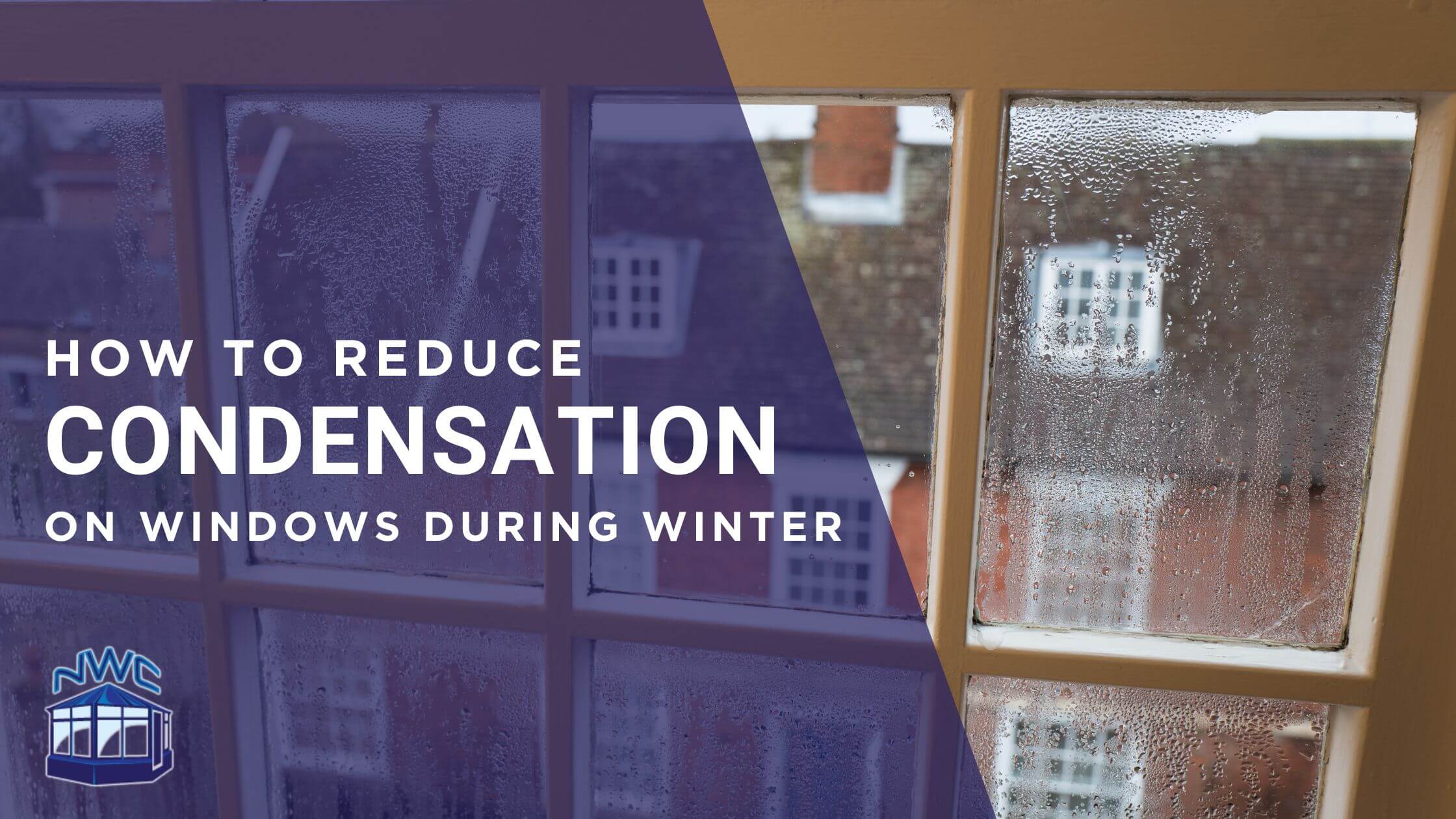
Condensation on windows is a common issue during the winter months, especially in homes with older glazing or poor ventilation. While it may seem harmless at first, persistent window condensation can lead to mould growth, damp patches, and damage to window frames. Understanding the causes of condensation and how to prevent it can help keep your home healthier, warmer, and more energy efficient.
What Causes Condensation on Windows?
Window condensation occurs when warm, moisture-laden air inside your home meets a cold surface, such as glass. During winter, this temperature difference is much greater, increasing the likelihood of it forming on windows. Everyday activities like cooking, showering, drying clothes indoors, and even breathing all add moisture to the air, raising indoor humidity levels.
Homes with poor ventilation or outdated single or double glazing are particularly prone to condensation problems.
Improve Ventilation in Your Home
One of the most effective prevention methods is improving ventilation. Allowing moist air to escape helps reduce humidity and prevents it from settling on window surfaces.
Simple window ventilation tips include:
- Opening trickle vents on windows
- Using extractor fans in kitchens and bathrooms
- Opening windows briefly each day to allow fresh air to circulate
While it may seem counter-intuitive in colder weather, controlled ventilation helps balance humidity without significantly lowering indoor temperatures.
Upgrade to Modern Double or Triple Glazing
Older windows are far more likely to suffer from condensation due to poor insulation. Upgrading to modern double glazing or triple glazing can make a significant difference. Energy-efficient windows maintain a warmer internal glass surface, reducing the temperature contrast that causes condensation.
A-rated windows not only help prevent window condensation but also improve overall home energy efficiency, reduce draughts, and lower heating bills. Modern glazing systems often include warm edge spacer bars and improved seals, which further reduce moisture build-up.
Control Humidity Levels Indoors
Managing home humidity is another key step in condensation prevention. Simple changes can make a big impact:
- Avoid drying clothes on radiators
- Use lids when cooking
- Keep bathroom doors closed when showering
- Consider using a dehumidifier in problem areas
These small habits help reduce excess moisture and protect your windows and doors during winter.
When to Consider Window Replacement
If condensation persists between the panes of glass, this is often a sign of a failed sealed unit. In this case, window repair may not be enough, and a full window upgrade could be the most effective solution.
As specialists in windows, doors, and conservatories, we help homeowners improve comfort, ventilation, and energy efficiency all year round. Our expert team can assess your current windows and recommend the best solution to reduce condensation and heat loss.
If you’re struggling with condensation this winter, contact us for professional advice and a free consultation. A warmer, healthier home could be just a window upgrade away.